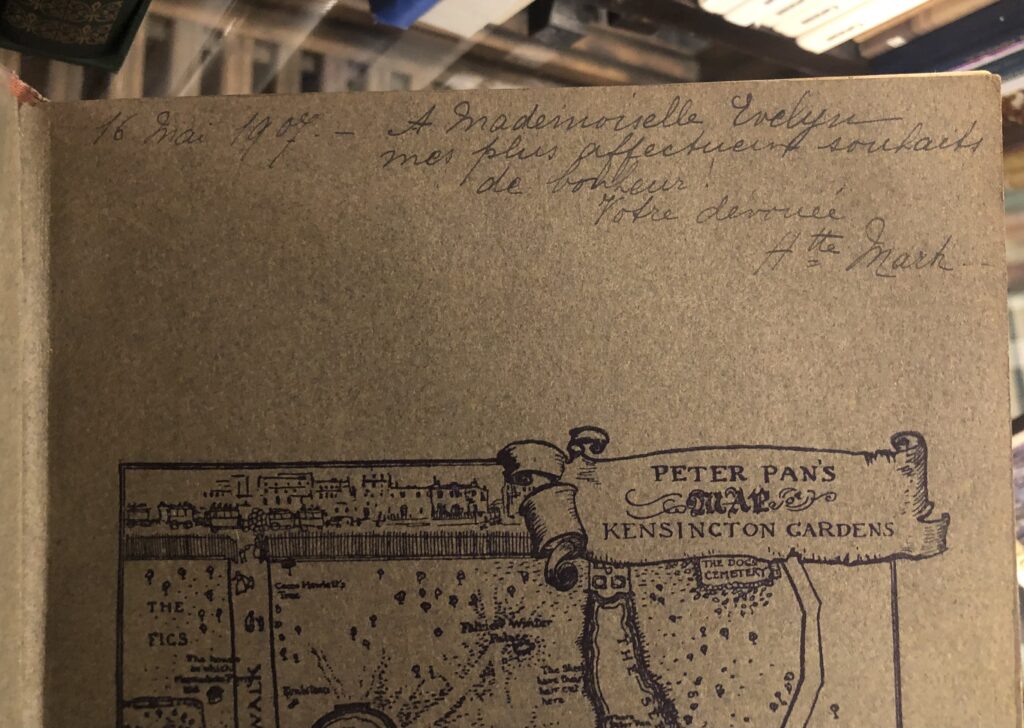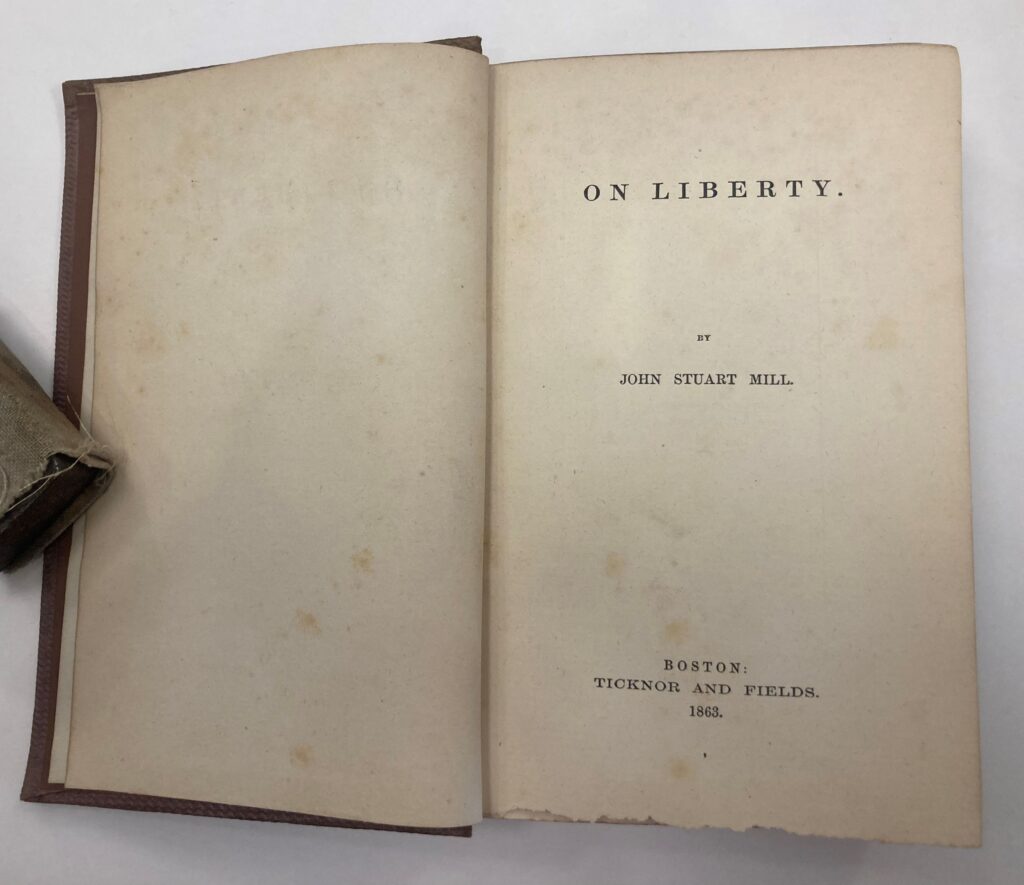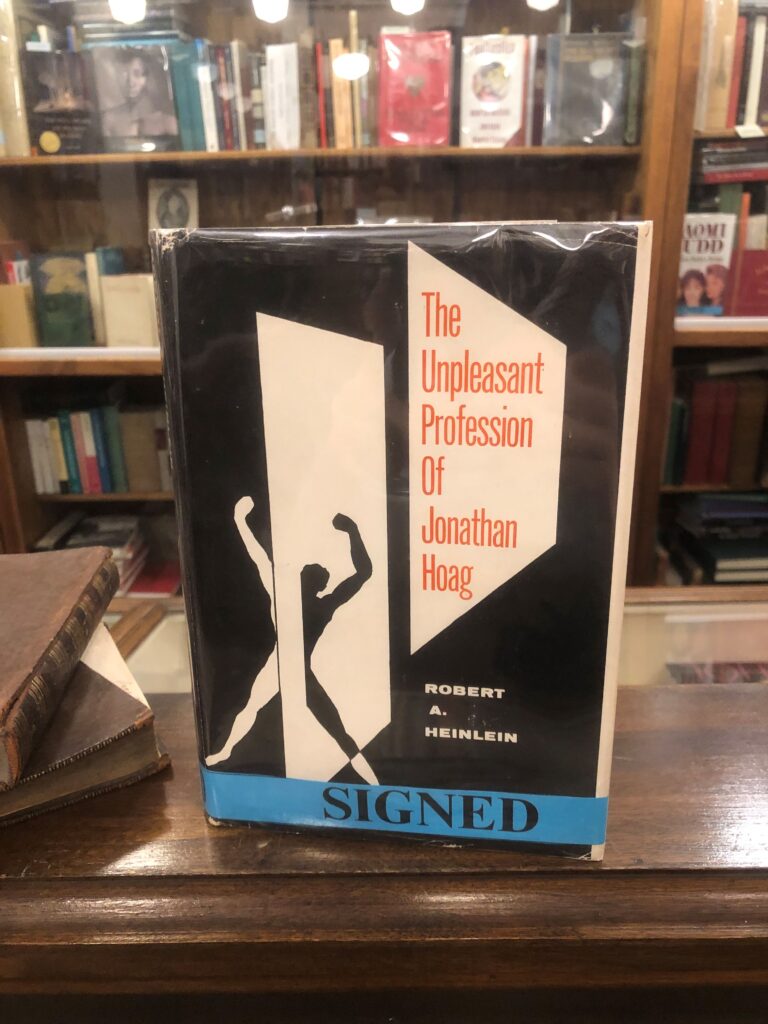
De principatibus Italiae

Joannes de Laet & Thomas Segetho

First Edition | Elzevir | 1628

Buy Now!

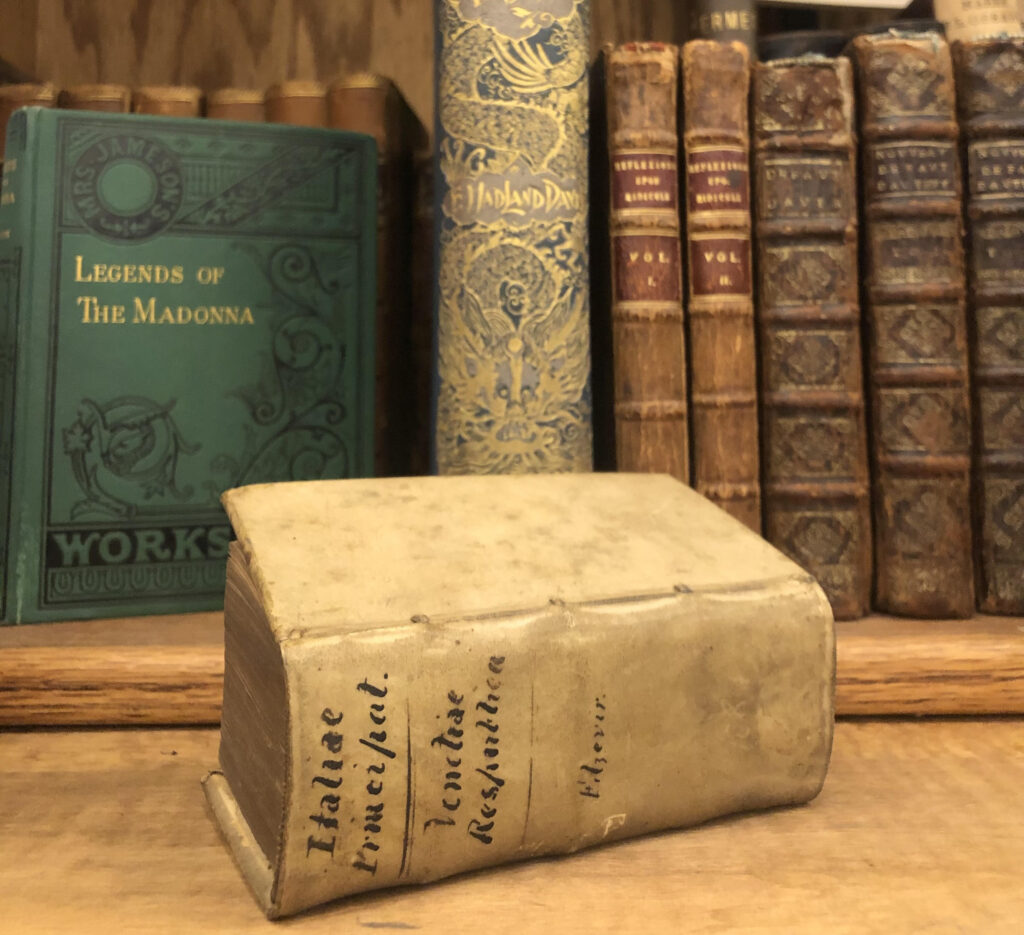
De principatibus Italiae (Of the Principalities of Italy) is a collection of notable treatises and essays about the Italian government and politics written by the scholars Thomas Segetho and Joannes de Laet. De Laet was a notable Dutch geographer and director of the Dutch West India Company, and Segetho, while not a particularly well-known scholar, studied under Galileo.

Like many 17th century books, De principatibus Italiae is written entirely in Latin, which was considered the acceptable language for scholarship at the time. Because of this, its modern audience has dwindled to the handful classicists who could and would still read and understand it. So where does its value come from? In a few years, De principatibus Italiae will celebrate its 400th birthday, and books of this age are more than just text on a page — they’re historical artifacts, material records of their individual life and the evolution of the business and craft of bookmaking.

The book’s distinctive small size is a feature of many books published by Elzevir (sometimes spelled Elzevier), a renowned family of Dutch booksellers, publishers, and printers active in the 17th and 18th centuries. The Elzevir family, like most publishers at the time, made their books with animal products such as vellum (prepared animal skin) binding and animal glue. This made them targets for creatures such as bookworms, who burrowed into the binding in distinctive patterns in order to eat the glue. Vellum is typically more durable than paper — it’s still used for important record-keeping at certain institutions, such as the Catholic Church and British Parliament — but 400 years is a long time for any material to stay intact. Still, our De principatibus Italiae has been preserved in remarkable condition, with only a few small markings from bookworms, and even those are special parts of this book’s unique life story.

Come by the Dawn Treader today to take a look at De principatibus Italiae and other antiquarian gems!

Naked Lunch

by William S. Burroughs

First Edition, First Printing | Signed Loose Bookplate | Grove Press | 1962

Call, email, or visit us in the store to purchase this book!

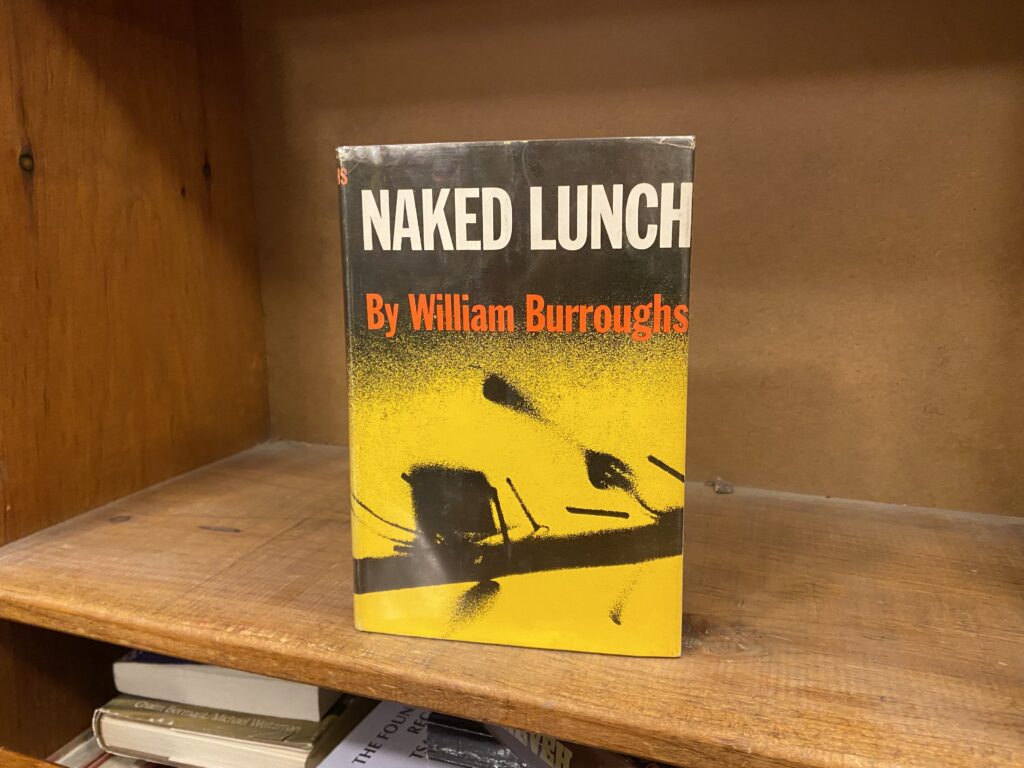
William S. Burroughs was one of the most prevalent writers of the Beat Generation, a literary subculture movement characterized by rejection of traditional narrative elements and subversive exploration of American cultural and political norms in the wake of WWII. Naked Lunch, Burrough’s most famous book, is a classic example. The experimental novel is a chronology-defying series of almost plotless vignettes that take place in the U.S., Mexico, Tangier, and the Interzone, often portraying the main narrator, William Lee (a stand-in for Burroughs) caught in the grip of some sort of vice or violence, addiction or desire. Masterfully absurd and surreal, Naked Lunch has been called “obscene,” “incomprehensible,” and “one of the best novels of the 20th century.”

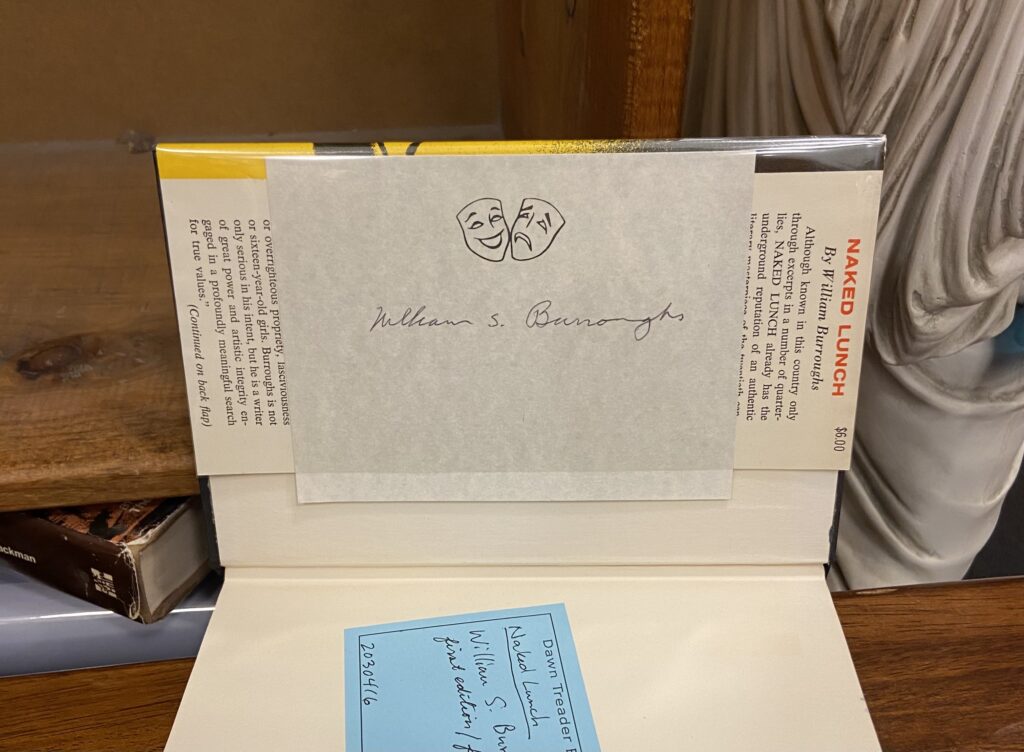
Naked Lunch was first published in Paris in 1959 under the title The Naked Lunch. The additional “the,” which was never intended by Burroughs, was removed when Grove Press published the first American edition in 1962 (the delay was due to the book’s violation of American obscenity laws). Our copy of this first edition, first printing from Grove Press is particularly special because it includes a loose bookplate signed by Burroughs himself.

How does a signature like this affect the value of the book? When determining the value of a signed book, a bookseller must consider the form the signature takes. Here’s a quick lesson in the most common types, and their comparative values — presented with the caveat that value is always variable depending on many factors, especially the book’s condition.

Flat-signed books contain the author’s signature, with no additional notes, usually on the title page or another early page in the book. This is usually the most valuable version of a signed book, save for some exceptional association copies (see below).

Inscribed books contain the author’s signature and a note, usually addressed to the book’s owner — for example, if this copy of Naked Lunch were signed, “To Harry: Have a nice lunch. William S. Burroughs.” These are usually not worth quite as much as a flat-signed copy, because while the extra note adds an element of personalization, is not as meaningful to any future owner of the book who is not the addressee.

Association copies are signed with notes or addresses to someone famous or important. These can be extremely valuable, depending on the significance of each of the names on the page. For example, if this copy of Naked Lunch were inscribed to fellow Beatnik Jack Kerouac, it would be extremely valuable. If it were inscribed to someone like Rupi Kaur, it would be worth less, and possibly even less than a flat-signed copy. Book collectors value association copies because they tell a story — they imply the book has changed hands between two people of significance. What was the context of this exchange? What influence might this relationship have had on the writing of this book, or the characters, or simply the author’s life?

Signed bookplates aren’t generally considered as valuable as flat-signed or inscribed books because there is usually no way to guarantee the author ever physically touched pen to paper on that particular edition. A bookplate could have been signed at any time, then attached to or inserted into the book separately. Some bookplates themselves have value, if they are designed by particularly renowned artists. For others, like our Naked Lunch bookplate, the main source of adornment and value is the signature itself.

Come by Dawn Treader today to check out Naked Lunch and our other treasures of the Beat Generation!

IT

by Stephen King

First Edition, First Printing | Viking | 1986

Update: This book has been sold! Come by the store for more Stephen King titles.

Since his Carrie-induced rise to fame in 1974, the name “Stephen King” has been synonymous with “horror.” King has been credited with the revival of the genre in the late 20th century, and remains prolific to this day. IT is one of King’s longest novels, coming in at 1,138 pages. But King’s voracious readers were up to the task, and the book was an ’86 blockbuster hit.

Often, first editions are valuable be cause they’re rare. When Pride and Prejudice was published, only 1,500 copies were printed in the initial run; the same was the case for The Hobbit. Casino Royale‘s first print run was 4,700 copies. But while IT‘s first printing saw the production of 800,000 copies, this edition has retained its value. This is due, in part, to its enduring influence on pop culture (the 2017 film adaptation in particular brought the book back into the public eye), and partly to its status as an essential classic of the horror genre. IT pours nightmare fuel on a bildungsroman, grounding the reader in a relatable, comfortable world of misfit kids searching for belonging. Then King turns the world on its head, with a killer clown, an alternate universe, and a mystic turtle, among other monstrous surprises — IT has long been lauded as a feat of the imagination.

Next time you’re in town, pass by our storefront to catch a glimpse of this gem of the genre, along with a few other early editions of King’s books!

Amphigorey Too

by Edward Gorey

SIGNED | First Edition | G. P. Putnam’s Sons | 1975

Buy Now!

Edward Gorey was a Creative with a capital C – a writer, illustrator, set and costume designer, fur coat-clad style icon, and eccentric companion to a host of artists and intellectuals who formed a corner of the counterculture movement at Harvard, Boston, and beyond. Gorey was prolific – over the course of his career, he illustrated over 200 book covers, wrote and illustrated over 100 books, stories, and unclassifiable “works,” and won a Tony Award for Costume Design in the 1977 Broadway revival of Dracula, among other accomplishments.

Amphigorey Too was published as a follow-up to Amphigorey, the first collection of Gorey’s works. It anthologizes 20 Gorey stories that may be difficult to find or buy individually, including such gems as “The Beastly Baby,” “The Nursery Frieze,” “The Pious Infant,” “The Inanimate Tragedy,” “The Gilded Bat,” and more. Gorey’s signature style is on full display – Victorian, gothic, surrealist, absurd, and darkly funny. The combination of these elements leaves a reader unsettled, with a vague sense of the macabre, rendered whimsical with biting humor.

Gorey’s status as “cult classic” is a big factor in determining the value of this first edition, signed copy of Amphigorey Too – those who followed him followed him fervently, and consider his signature something to cherish. A Gorey book contains not only his one-of-a-kind words and illustrations, but also his personal flair, his refusal to define himself as a certain type of artist and person. Much as his work steered clear of categorization, Gorey himself defied binaries of sexuality and traditional notions of masculinity. His friends – including, notably, his roommate Frank O’Hara, who would go on to be a celebrated member of the New York School of poets – were mostly outwardly gay, and Gorey held himself with an exuberant, eccentric air, dressing flamboyantly in oversized fur coats, scarves, sneakers, and heavy rings. But despite copious speculation on his sexuality, Gorey never explicitly labeled himself, leaning instead towards answers such as this (printed in the September 1980 edition of Boston magazine): “What I am trying to say is that I’m a person before I’m anything else.” (If you want to read more about Gorey, O’Hara, and their participation in queer culture, we highly recommend the LitHub article “Edward Gorey, Frank O’Hara and Harvard’s Gay Underground” by Mark Dery.)

Gorey’s lasting influence shows in works influenced by his style, including Daniel Handler (Lemony Snicket’s) children’s books, A Series of Unfortunate Events, and the music video for the Nine Inch Nails song “The Perfect Drug,” which was designed to contain Goreyesque set elements and costuming. When Gorey died in 2000, he left much of his estate to a charitable trust that benefitted cats, dogs, bats, insects, and other such creatures, and he left his one-of-a-kind books to a following of readers eager to see the world through Gorey’s strange point of view. This signed first edition of Amphigorey Too is a celebration of art, counterculture, and uniqueness. If you love Gorey like we do, come by the store to take a look at this and 10+ other signed works in our collection!

Fear and Loathing in Las Vegas: A Savage Journey to the Heart of the American Dream

by Hunter S. Thompson

First Edition, First Printing | Random House | 1972

Call, email, or visit us in the store to buy this book!

One of the most significant features of Hunter S. Thompson’s most famous novel is that it bends and breaks the boundaries of what can in fact be called a “novel.” Fear and Loathing in Las Vegas tells the story of Raoul Duke, a journalist, and Dr. Gonzo, Duke’s attorney, as they move through Las Vegas, shirking responsibilities, taking illicit drugs, and reflecting on the zeitgeist of post-sixties America. It draws details from two 1971 trips Thompson took to Las Vegas with Oscar Zeta Acosta, a Chicano Activist and attorney, blending fact and fiction to create a hazy, drug-fueled cultural commentary that shook up the literary scene.

This subversive style was not new to Thompson. His 1970 article for Scanlan’s Monthly, titled “The Kentucky Derby Is Decadent and Depraved,” ignored the obvious facts and details of the event, focusing instead on the rowdiness of the Derby’s wealthy patrons and Thompson’s own bad behavior. Boston Globe editor Bill Cardoso called it “gonzo journalism,” and the name stuck. Fear and Loathing popularized what became Thompson’s signature genre, which places the reporter at the center of the story, renouncing journalistic objectivity in favor of an impressionistic, hyperbolic, and satirical view of the subject of the reportage.

The first edition of Fear and Loathing on the Dawn Treader shelves is not actually the first time the story appeared in print—originally, Rolling Stones published it as a two-part story under the byline “Raoul Duke,” with illustrations by Ralph Steadman (who also illustrated Thompson’s debauchery at the Kentucky Derby). In July 1972, Random House capitalized on the story’s success and Thompson’s notoriety by publishing it as a book. The magazine and book versions of the story differ slightly—when the book was published, some rowdier characters’ names were redacted for the protection of their real-life counterparts.

Next time you’re in town, stop by to take a look at this special copy of a seminal novel that scintillates from the first line—which happens to be one of the Dawn Treader family’s favorites of all time: “We were somewhere around Barstow on the edge of the desert when the drugs began to take hold.”

Beloved

by Toni Morrison

SIGNED | First Edition, 12th Printing | Alfred A. Knopf, Inc. | 1988

Sold!

Toni Morrison was a powerhouse and a revolutionary in the literary world. She was the first Black woman editor at Random House. She wrote and published 11 novels in her lifetime, as well as children’s books and essay collections. In 1993, she became the first Black American woman to win the Nobel Prize in Literature. Her name falls high on any list of most-frequently banned authors, but her graceful yet unflinching depictions of race, class, family, and love remain relevant and well-read to this day. And her very own pen has touched the pages of this signed, 12th printing, hardcover edition of Beloved.

Beloved is based on the true story of Margaret Garner, an enslaved woman who killed her own child to spare her from a life of slavery. A controversial classic of American literature, it has been banned and censored from some schools and libraries over the years, most commonly for reasons of bestiality, infanticide, sex, and violence. But despite subsequent debate, Beloved received an outpour of acclaim upon publication, winning the Pulitzer Prize for Fiction in 1988, as well as the Robert F. Kennedy Memorial Book Award, the Melcher Book Award, the Lyndhurst Foundation Award, the Elmer Holmes Bobst Award, and the Anisfield-Wolf Book Award. It was nominated for the 1988 National Book Award, and when it didn’t win 48 notable Black writers and critics — including Maya Angelou, June Jordan, Angela Davis, and others — signed a letter of protest that was published in The New York Times Book Review.

Morrison kept another letter close to her heart — and framed on her wall. The Texas prison system wrote her after her novel Paradise was removed from prison libraries because they thought it might incite riots. In the 2019 documentary The Pieces I Am, Morrison remembers receiving the letter and thinking, “How powerful is that! I could tear up the whole place.” This “tearing up the place” spirit endures in the pages of Beloved, and in all of Morrison’s iconic writing.

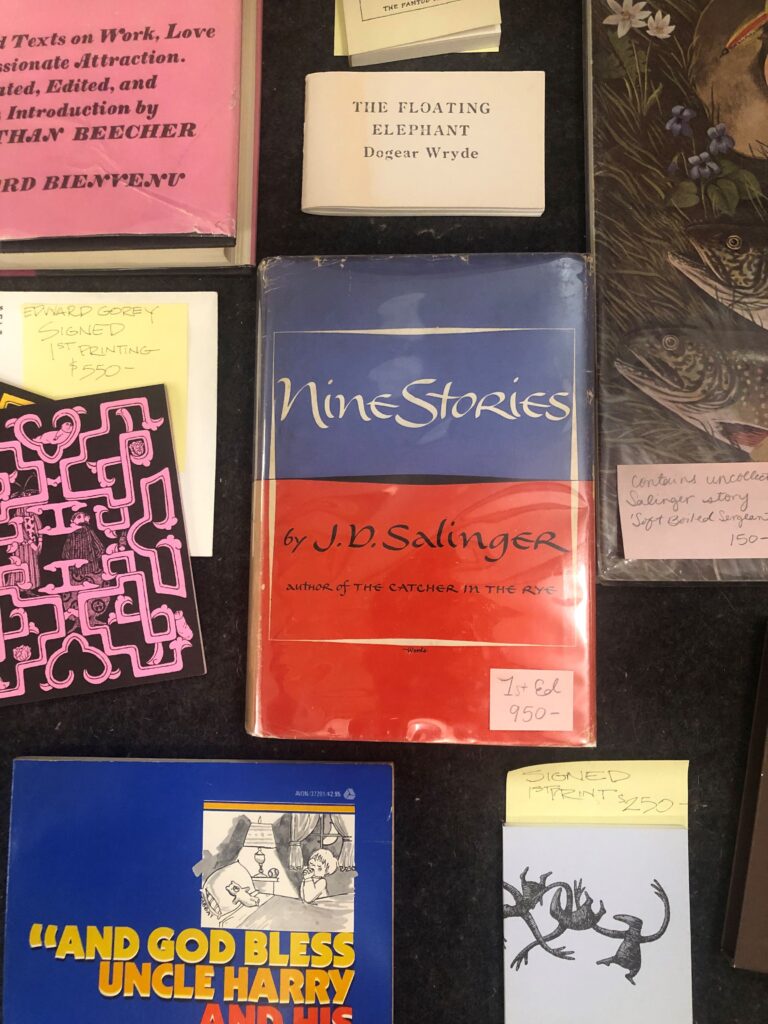
The Catcher in the Rye

by J. D. Salinger

First Edition, First Printing, Later Dust Jacket | Little, Brown and Company | 1951

Sold!

This first edition, first printing of The Catcher in the Rye is a superstar on the Dawn Treader shelves. Since its publication in 1951, Salinger’s only novel has become an infamous problem child on high school reading lists. It has been banned, challenged, and removed from lists and libraries across the United States, but readers can’t stay away — it remains one of the most commonly assigned books in English classes, and around 1 million copies are sold each year.

Certain first editions of The Catcher in the Rye can be valued at up to $25,000 (and in one instance, $65,000!), depending on their condition and whether or not they wear the original dust jacket (first and second printings of the novel feature a photo of Salinger stretched across the back of the jacket, but the famously reclusive author requested its removal after he found himself increasingly present in the literary spotlight). Why is a first edition of The Catcher in the Rye so valuable? First editions in general are considered the closest a reader can get to the version of a book seen through production by its original author. Rarity of early printings and popularity of subsequent editions are also factors, and The Catcher in the Rye has certainly enjoyed its day — or century — in the sun.

Some credit the novel’s continued popularity to the “Streisand Effect,” a phenomenon where something is sought after explicitly because so many people are trying to keep it under wraps. Could repeated attempts to keep The Catcher in the Rye out of students’ hands be a reason why it is so often found in them? The novel of troubled adolescence has also caught a certain notoriety after being linked to several high profile violent crimes. Former security guard Mark David Chapman was found with a copy on the night he shot John Lennon. Inside, he had written, “This is my statement,” and signed the note “Holden Caulfield.” Robert John Bardo was carrying a copy of The Catcher in the Rye when he killed Rebecca Schaeffer in her home in 1989. It was also one of several books found in John Hinckley Jr.’s hotel room on the night he attempted to assassinate Ronald Reagan. The question of how much influence the novel had over these killers’ psyches — and how much influence these crimes have had over its popularity and sales — has been hotly debated.

Despite a history marred with censorship and allegations of criminal influence, The Catcher in the Rye remains a stalwart of the American literary canon. Next time you’re in town, stop by the Dawn Treader to take a look at our historic copy!

Store Update: August 2021

We are so grateful for your ongoing support during these difficult times, and are delighted to share that the Dawn Treader is open!

Currently, our store hours are as follows:

Monday-Saturday: 11am-8pm
Sunday: 11am-6pm

Masks are not required for entry, but hand sanitizer and masks are available upon request.

If you have questions about our inventory or policies, please don’t hesitate to call or email us. Our contact information is in the sidebar.

We look forward to seeing you!